

Get Noticed with Modern Therapy Websites
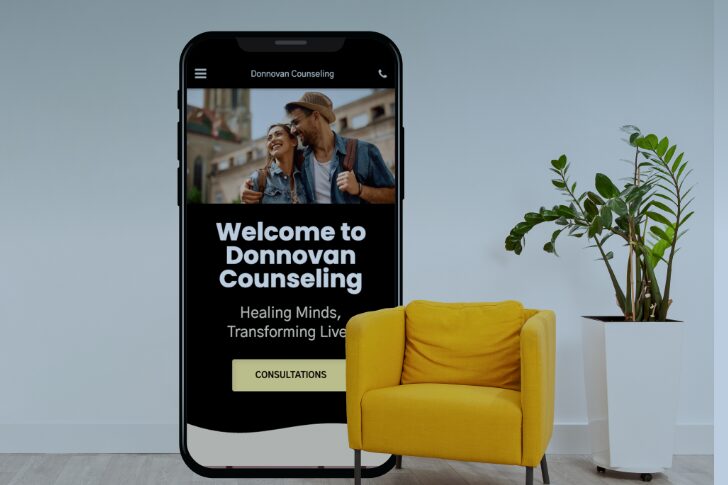
In the therapy profession, your website is more than a digital business card — it’s your most powerful marketing tool. A modernized, responsive website built for performance will help promote affordable therapy services, attract new clients, establish trust with visitors, and grow your therapy practice. Let’s explore how a high-performing therapy website can help you reach your ideal clients and achieve success.
Get Noticed with a Modernized Website Built for a Professional Online Presence
A high-performing website is essential for creating a great therapist website that attracts and engages potential clients. Beyond looking professional, your site should be optimized to create a seamless experience across devices while also improving your visibility on Google.
Pro Tip: Check How Your Website Looks on a Phone
As a mental health professional, having a professional online presence is crucial for attracting potential clients. One often-overlooked aspect of website design is how it looks on a phone. With more and more people accessing websites through their mobile devices, it’s essential to ensure that your website is optimized for mobile use.
Try This: Visit your website on your own device or use a website testing tool to check its mobile-friendliness. Ensure that the layout is easy to navigate, and the text is clear and readable. A mobile-friendly website will not only improve the user experience but also boost your search engine optimization (SEO) rankings, making it easier for potential clients to find you.
Pro Tip : Check How Your Website Looks on a Phone
Let’s be honest — most of your clients are searching for therapy services on their phones. If your website doesn’t look good on mobile, you’re missing out.
Try This: Take out your cell phone and pull up your website. Is it easy to navigate? Do the pages load quickly? If not, it might be time for a refresh. A modern, mobile-friendly site doesn’t just look better — it also performs better in Google search results.
Why Your Website Needs to Be Optimized
Clients often search for online therapy services before choosing a provider. If your website isn’t optimized, you risk losing potential clients to competitors with more modern sites. Here’s why it matters:
• Responsive Design: Your therapy website should look great on desktops, tablets, and smartphones.
• Fast Loading Speed: Visitors won’t wait for a slow website to load — they’ll move on.
Google also favors fast, responsive websites in its search rankings. With a custom website design that prioritizes performance, you can increase visibility and attract more new clients.
Pro Tip: Get Found in Local Searches
As a therapist, you want to attract local clients who are searching for mental health services in your area. To get found in local searches, make sure to include your location and relevant keywords in your website’s content.
Try This: Use phrases like “therapist in [your city]” or “mental health services in [your state]” to help search engines understand your location and services. Additionally, claim and optimize your Google My Business listing to increase your visibility in local search results. By following these tips, you can improve your website’s visibility and attract more local clients.
Pro Tip : Get Found in Local Searches
Most therapy clients are searching for someone nearby. Making sure your website shows up in local searches can give you a big advantage.
Try This: Make sure your website includes your clinic’s location in key areas, like your homepage and contact page. Also, claim your Google Business Profile — this is an easy, free way to get your practice in front of local searchers. Need help? Businesses like Online Chiro offer SEO services to help you show up higher in local search results, so new clients can find you faster.
The Role of SEO in Attracting New Clients
Search engine optimization (SEO) ensures your website ranks higher in search results, helping more potential clients find your practice and licensed therapists. SEO includes optimizing your site’s content, metadata, and structure to align with what clients are searching for.
• Targeted Keywords: Use terms like “best therapy websites” and “client-centered therapeutic care” to improve your site’s ranking.
• Mobile Optimization: Google favors websites that perform well on mobile devices.
By improving your website’s SEO, you’ll increase traffic from new clients searching for therapy care.
Clear and Concise Information About Your Services
When potential clients visit home page of your website, they want to quickly understand what services you offer and how you can help them. Make sure to provide clear and concise information about your services, including the types of therapy you offer, your areas of specialization, and your approach to treatment.
Try This: Use simple language and avoid jargon to ensure that your website is accessible to a wide range of visitors. By providing clear information about your services, you can help potential clients feel confident in their decision to work with you.
Easy Navigation and Responsive Design
A successful therapist website should be easy to navigate and have a responsive design that adapts to different devices and screen sizes. A responsive design ensures that your website looks great on desktops, laptops, tablets, and mobile phones, providing a consistent user experience across all devices.
Try This: Use clear headings, concise paragraphs, and intuitive menus to make your website easy to navigate. By prioritizing user experience, you can create a website that attracts and engages potential clients.
Prominent Calls-to-Action (CTAs) for Scheduling and Contact
Finally, make sure to include prominent calls-to-action (CTAs) on your website that encourage visitors to schedule a session or contact you for more information. Use action-oriented language like “Schedule a Session” or “Get in Touch” to create a sense of urgency and encourage visitors to take action.
Try This: Place your CTAs in prominent locations on your website, such as the homepage or contact page, to make it easy for visitors to find and use them. By including clear and prominent CTAs, you can increase conversions and attract more clients to your practice.
Be Found and Build Trust with Authoritative Content
Content is king when it comes to building trust with potential clients and improving your search rankings. High-quality, informative content about coping strategies ensures that visitors stay on your website longer, which signals to Google that your site is valuable.
Having a visually appealing website is important, but content is what really keeps website visitors engaged. Informative, client-focused content builds trust with current and potential clients while also improving your SEO.
Pro Tip: Create Quick-Read Guides for Common Client Questions
Clients are always looking for answers online. Whether it’s “What causes back pain?” or “How often should I see a chiropractor?” your website can be a go-to resource for answers.
Try This: Add a blog or FAQ section to your website that addresses common questions in plain, easy-to-understand language. Not only does this build trust, but it also helps with your website’s SEO.
The Importance of Client Education on Your Website
Clients want to feel confident in their provider. Offering client education through blogs, FAQs, and service pages helps establish your credibility.
• Service Descriptions: Clearly explain your therapy services, from adjustments to massage therapy.
• Blog Content: Share insights on wellness, treatment plans, treatment approaches, and tips to help clients develop coping strategies for a healthy lifestyle.
Educational content isn’t just helpful for clients — it also signals to Google that your website is authoritative, boosting your search rankings.
Use Content to Connect with Current and Potential Clients
Your first message and website should speak directly to your audience, addressing their needs and concerns.
• Highlight Client Success Stories: Share testimonials from satisfied clients to build trust.
• Offer Resources: Include downloadable guides or videos on topics like spine health and treatment plans.
Creating content tailored to your audience’s interests will help keep visitors on your site longer, increasing the likelihood they’ll book an appointment.
Pro Tip: Share Client Success Stories
Nothing builds trust like hearing from real people who’ve had great experiences.
Try This: Ask a few of your happy clients if they’d be willing to share their story. You can highlight these success stories on your website to show visitors that you’re delivering results. Need help? Expert teams like those at TherapySites can help you gather and showcase client testimonials in a way that feels authentic and professional.
Communicate with Ease: Online Therapy Tools to Boost Engagement
Online tools make it easier for clients to connect with your practice and access support from a licensed therapist. From reputation management to secure communication, these features enhance the client experience.
Pro Tip: Make Scheduling Simple
Nobody wants to pick up the phone anymore. Online booking is the way to go!
Try This: Add a simple, secure online booking tool to your website so clients can schedule appointments without the back-and-forth. Bonus points if it sends automatic reminders to reduce no-shows. Need help? TherapySites’s websites come with built-in online booking tools that are secure and HIPAA-compliant, making it easy for clients to schedule with confidence.
Reputation Management for More Positive Reviews
Online reviews are crucial for building trust with potential clients. Implement a reputation management system to monitor and respond to reviews.
• Encourage Clients to Leave Reviews: Ask satisfied clients to share their positive experience, online.
• Respond Professionally: Address both positive and negative reviews to show you value feedback.
More positive reviews help attract new clients and improve your visibility in search results.
Secure and HIPAA-Compliant Communication
Clients need to feel confident that their personal information is protected. Your website should include secure contact forms and HIPAA-compliant email communication.
• Secure Contact Forms: Protect client data with encrypted forms.
• HIPAA-Compliant Emails: Ensure that all client communication adheres to privacy laws.
These tools make it easier for clients to schedule appointments and communicate with your team, improving client engagement.
Customize Your Therapy Website to Stand Out for Licensed Therapists
No two therapy practices are the same, and your website should reflect what makes your private practice unique.
• Custom Website Design: Tailor your own website, to showcase your practice’s strengths.
• Highlight Your Services: Use features like online booking, video consultations, and client portals to enhance the client experience.
A customized website will help you attract ideal clients and promote client-centered care.
Pro Tip: Highlight What Makes Your Practice Special
Do you offer something other chiropractors don’t? Maybe it’s a focus on women’s health, massage therapy, or community events. Highlighting what makes your own practice special can attract more clients.
Try This: Create a dedicated section on your website that highlights your unique services and approach to care. Let clients know what makes you the best choice in town. Need help? TherapySites offers fully customized website solutions to ensure your practice stands out for all the right reasons.
Promote Growth with a High-Performing Therapy Website
A well-designed therapy website, inspired by therapist website examples, is essential for promoting growth and attracting new clients. With the right combination of content, SEO, and communication tools, you can create a website that helps your practice thrive.
Here’s a quick checklist for creating a high-performing website:
• Responsive, fast-loading design
• Optimized content for SEO
• Client education resources
• Reputation management tools
• Secure, HIPAA-compliant communication
By investing in a new website or upgrading your current one, you’re investing in the growth of your practice and your ability to deliver outstanding care.

Dani Romero is a therapy and psychology content provider for mental health professionals. Her pieces strive to demystify the digital marketing landscape for therapists and make it easier for them to reach a wider audience. As a lifelong proponent of therapy and mental health services, Dani finds joy in helping those who dedicate their lives to helping others.

Related Posts
- How to Use Content Marketing and SEO to Grow Your Therapy Practice ( March 4, 2025 )
- The Most Effective Therapy Website Templates For Your Practice ( December 12, 2024 )
- 10 Of The Best Therapy Websites We’ve Seen (And What to Learn From a Successful Therapist Website) ( October 2, 2024 )
- 25 Therapy Keywords To Include In Your Website’s SEO Strategy ( October 2, 2024 )
- SEO for Therapists: 9 Tips for Ranking Higher on Local Search ( July 29, 2024 )
- 9 Client Focused Therapy Website Design Examples ( July 29, 2024 )
- 10 Step SEO Checklist for Therapy Practices ( February 28, 2024 )
- Navigating The Client Journey: How Online Listings & Reviews Influence Decisions ( October 9, 2023 )
- Unlock the Full Potential of Your Practice With Digital Marketing ( September 8, 2023 )
- Your Guide To Getting To Page 1 Of Google ( August 15, 2023 )
About the Author

Recent Posts
- A Comprehensive Guide to Social Media Marketing for Therapists
- Google Business Profile: Understanding Google My Business for Therapy Practices
- AI for Therapy Practices: How To Rank in AI Search Results
- A Therapist’s Guide to Using Mental Health Hashtags in Social Media Marketing
- Therapist Facebook Ads: A Guide to Reaching New Clients
- What Is Teletherapy: Definition, Benefits, & Use Cases
- 7 Effective Marketing Strategies for Your Therapy Practice
- Why Marketing for Therapists Matters
- Understanding the Impact of HIPAA Email on Digital Marketing in Therapy Practices
- Using Google Ads in Marketing Your Therapy Practice and Facebook Ads