

Using Google Ads in Marketing Your Therapy Practice and Facebook Ads
Introduction to Online Advertising
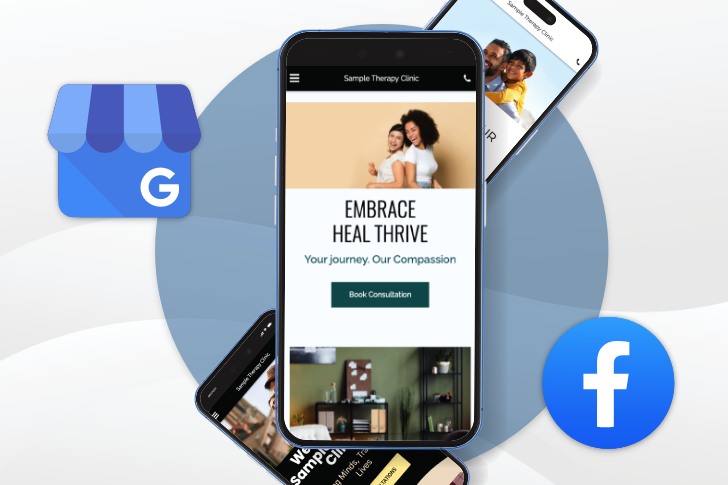
Online advertising is crucial for therapists and private practices aiming to reach prospective clients and grow their practice. Google Ads and Facebook Ads are two popular platforms that offer increased visibility, targeted advertising, and measurable results. By leveraging these tools, therapists can effectively promote their practices, connect with their target audience, drive online traffic, and attract new clients.
Google Ads connects you with individuals actively searching for behavioral health services, ensuring your practice appears prominently in search results. In contrast, Facebook advertising builds awareness and trust by engaging users with compelling content as they browse their social media feeds. Together, these platforms provide a comprehensive approach to digital marketing, enabling you to reach prospective clients at various stages of their journey.
Benefits of Online Advertising

Online advertising offers numerous benefits for therapists. With the rise of digital media, it has become a crucial component of any marketing strategy. Google Ads and Facebook Ads are effective for reaching potential leads, increasing online visibility, driving website traffic, and attracting new clients.
One key advantage is the ability to target specific audiences. Google Ads reaches individuals actively searching for mental health services, while Facebook Ads engage users based on their interests and behaviors. This targeted approach ensures your ads are seen by those most likely to benefit from your services.
Additionally, online advertising success is highly measurable. Both platforms provide detailed analytics to track ad performance, allowing you to monitor metrics like click-through rates and conversions, make informed decisions about your advertising budget, and optimize campaigns for better results.
Why Digital Ads Matter for Therapy Practices

Marketing your private practice has evolved significantly. While word-of-mouth referrals remain valuable, they are increasingly supplemented by Google searches and social media browsing. Clients seek care that is accessible, trustworthy, and conveniently located, making digital ads essential for connecting with individuals when they need support. Digital ads effectively target searches related to mental health issues, ensuring those in need find the right therapy services.
Understanding your average client helps therapists assess their financial value and engagement, which is crucial for informed advertising decisions. Lead generation is vital in digital advertising, and defining conversion goals—such as lead form submissions and phone calls—can optimize campaigns and track success.
Setting Up Ad Campaigns
Setting up ad campaigns requires careful planning, target group identification, and budget allocation. A well-structured campaign should have clear goals, specific keywords, and compelling ad copy. Structuring campaigns at the ad level is crucial as it determines the specifics of the advertisement’s creative elements, such as images and texts.
Begin by defining your campaign objectives, such as increasing organic online traffic or generating leads. Use relevant keywords that potential leads might search for and organize them into select groups in Google Ads. On Facebook, utilize detailed audience targeting based on demographics, interests, and behaviors.
Ensure your ad message is engaging and addresses the needs of your target audience. Highlight the unique benefits of your practice and include a clear call to action. Use conversion tracking to assess ad effectiveness and make data-driven adjustments for improved performance.
Choosing a Campaign Objective
Choosing the right campaign objective in Google Ads is crucial. Common marketing campaigns for therapists include lead generation and conversions. Lead generation campaigns aim to drive promising leads to a landing page or website, while conversion campaigns focus on driving specific actions, such as scheduling a consultation.
By choosing the right campaign objective, therapists can ensure their advertising campaigns align with their marketing goals and deliver the desired outcomes.
Google Ads: Connecting with Clients During Their Active Search

Google Ads effectively captures real-time demand, placing your therapy practice in front of individuals actively seeking care. Advertisers can utilize various creative options, such as images and videos, to enhance effectiveness based on campaign goals.
Google Ads enables practitioners to reach potential clients in specific locations, ensuring visibility to those most likely to need your services. Setting up a Google ad involves configuring the display path and adding elements like headlines and descriptions, which influence user perception.
Why It Works
Google provides several effective ad formats for mental health professionals:
- Search Ads: Text-based ads that appear at the top of search results, linking to your appointment scheduling page when someone searches for relevant terms.
- Display Ads: Image-based ads on various websites within Google’s display network.
- Local Service Ads: Verified listings for location-based searches, displaying your profile with hours, reviews, and a “Call Now” button.
Search Ads are particularly effective for targeting clients with intent-driven keywords, and conversion tracking is crucial for evaluating ad performance.
Advantages of Google Ads
- Measurable ROI: Monitors keywords, form submissions, bookings, or calls.
- High Intent: Connect with more clients in the decision-making phase.
- Local Targeting: Customizes ads by ZIP code or city.
Challenges to Keep in Mind
Using negative keywords to improve ad targeting is crucial, as it prevents ads from showing for irrelevant search terms. Ongoing keyword research and ad performance analysis are necessary to prevent budget waste.
Ad Groups and Organization
Ad groups are crucial for a successful Google Ads campaign, allowing you to organize ads into categories that share similar characteristics. Structuring campaigns at the ad level is essential for meeting campaign objectives.
Facebook Ads: Cultivating Awareness and Trust

While Google Ads link you with clients actively seeking care, Facebook Ads engage your target group before they realize they need your services. Running ads on Facebook allows therapists to reach prospective clients effectively by utilizing a proper budget and targeting strategy.
Facebook advertising emphasizes storytelling and visibility, enabling you to highlight your healthcare services and client experiences in a personal manner. Opt for authentic visuals to connect better with Facebook users, who prefer genuine interactions.
How it Works
Facebook Ads use demographic and behavioral data to reach a relevant audience based on interests, location, age, and behaviors.
Typical ad formats include:
- Newsfeed Ads: These ads appear seamlessly between posts. For example, a video ad featuring your therapists discussing mindfulness benefits can reach local individuals seeking mental health support.
- Retargeting Ads: These ads reconnect with website visitors who didn’t take action. For instance, someone who visits your site for anxiety therapy may later see an ad for your upcoming workshops.
- Audience Targeting: Tailor your campaign based on geography, interests, and age. For example, a therapy practice specializing in adolescent counseling can target parents of teenagers aged 13–18 within a specific radius.
Navigating the Facebook Ads Manager
The Facebook Ads Manager is a powerful tool for creating and managing marketing campaigns. Start by setting up your ad account and creating a new campaign. The campaign setup process involves choosing an objective, selecting a target audience, and setting a budget.
The Ads Manager allows you to create multiple ads within each ad set, enabling you to test different ad creatives and messages.
Optimal Use Cases
- Promoting blog posts, educational videos, or seasonal content relevant to therapy.
- Offering a free consultation to attract leads.
- Showcasing client testimonials or community events.
Advantages of Facebook Ads
- Cost-Effective Reach: Generally offers a lower cost per thousand impressions (CPM).Visual Storytelling: Excellent for creating impactful ads through engaging imagery or video content.Precise Audience Targeting: Easily customize ads to reach specific demographics.
Challenges to Consider
- Lower Intent: Connecting with users who are casually browsing rather than actively seeking care.
- Creative Requirements: Successful Facebook Ads necessitate high-quality imagery and clear messaging.
Facebook Ads are vital for practices aiming to educate potential clients and maintain visibility over time. If you’re unsure where to start with ad message or visual strategy, a marketing team specializing in healthcare can assist you in crafting compelling ads that resonate and deliver tangible results.
Targeting Options

Google Ads offers various targeting options, including location targeting, language targeting, and audience targeting. Using these options effectively can help you reach your ideal clients and increase the relevance of your ads.
Creating Effective Ads
Creating effective ads is crucial for any online advertising campaign. Understanding your audience helps you develop effective ad strategies. Compelling copy should address your audience’s pain points while highlighting the unique benefits of your therapy practice.
When to Use Each (or Both)
Facebook Ads and Google Ads should complement one another. Use Google Ads for time-sensitive therapy options and measurable outcomes. Use Facebook Ads for engaging content and brand awareness. When utilized together, they can lead future clients from initial inquiries to scheduling an appointment.
Use Google Ads When:
- You provide time-sensitive therapy options, such as urgent care.
- You aim to connect with clients actively seeking therapy.
- You desire measurable outcomes, such as phone calls or appointment bookings.
When setting up your campaign, consider the option to include or exclude Google search partners. This can help you concentrate your resources on Google Search ads, which are often more effective for achieving higher quality conversions.
Use Facebook Ads When:
You have engaging content to share, such as video ads or client testimonials. Adding ‘physical therapy’ as a negative keyword can help refine your ad targeting, ensuring your ads are shown to the right audience.
You want to enhance brand awareness and educate your audience about mental health.
You wish to re-engage website visitors who did not book an appointment.
Use Both When:
- You’re promoting a seasonal service or specialized therapy offering.
- You want to enhance your overall advertising strategy. Incorporating Google Ads with an SEO strategy can provide immediate visibility while building long-term online presence.
- Your private practice goals encompass both raising awareness and driving conversions.
Compliance Considerations
Advertising in the therapy field involves safeguarding client privacy and adhering to platform rules and federal regulations. As a therapy practice, you must comply with Google and Facebook’s advertising policies and follow HIPAA guidelines.
Essential Reminders for Compliance:
- Avoid Sensitive Language: Don’t imply someone has a therapy-related condition or reference personal attributes in an invasive manner.
- Use Before-and-After Imagery with Caution: Ensure you have consent and provide clear context if using such images.
- Never Include Personal Health Information (PHI): Stick to generalized messaging and anonymized reviews.
- Know the Platform Policies: Each platform has specific rules regarding healthcare advertising.
Measuring Ad Success

Measuring ad success is essential for understanding the effectiveness of your campaigns. Setting a target cost per action allows advertisers to control their spending and maximize efficiency in obtaining conversions after achieving a certain level of campaign performance. Google Analytics and Ads dashboard provide insights into ad performance, including click-through rates and conversion rates. By tracking performance, therapists can identify areas for improvement and optimize their campaigns.
Using Conversion Tracking
Conversion tracking is a crucial component of any advertising campaign. By tracking conversions, therapists can measure the effectiveness of their ad campaigns and make thoughtful decisions about their marketing budget. Conversion tracking involves setting up a tracking code on a website or landing page, which allows therapists to track specific actions, such as form submissions or consultations scheduled.
Both Google Ads and Facebook Ads offer conversion tracking features. In Google Ads dashboard, you can set up conversion tracking by adding a tracking code to your website or using Google Tag Manager. This allows you to track actions such as form submissions, phone calls, and appointment bookings. Facebook Ads also provides conversion tracking through the Facebook Pixel, which can be added to your website to track actions and optimize your ad campaigns. This data-driven approach helps maximize the return on investment and improve the overall effectiveness of your advertising efforts.
Optimizing Ad Campaigns

Optimizing ad campaigns is an ongoing process that requires continuous monitoring and refinement. By using data from ad performance, therapists can identify opportunities to improve targeting, ad copy, and bidding strategy.
Budgeting Tips: Spend Smart, Not Big
You don’t need a large advertising budget to achieve meaningful results. Setting a monthly budget for different advertising packages is crucial. Successful campaigns can begin with a modest budget and expand as you discover what works best.
Conclusion: Smart Advertising Starts with Strategy
Google Ads and Facebook Ads provide effective avenues for promoting your therapy practice. When used together, they create a powerful, client-centered digital marketing strategy. If you’re ready to start advertising but feel uncertain about compliance, budgeting, or creative direction, our team can assist you in developing ethical and effective advertising strategies that grow your practice and connect with the right clients.

Dani Romero is a therapy and psychology content provider for mental health professionals. Her pieces strive to demystify the digital marketing landscape for therapists and make it easier for them to reach a wider audience. As a lifelong proponent of therapy and mental health services, Dani finds joy in helping those who dedicate their lives to helping others.

Related Posts
- Introduction to Digital Therapy Client Education ( September 5, 2024 )
About the Author

Recent Posts
- Google Core Update March 2026: What To Know for Your Therapy Practice
- Best Therapist Website Design: 5 Examples for Inspiration
- A Comprehensive Guide to Social Media Marketing for Therapists
- Google Business Profile: Understanding Google My Business for Therapy Practices
- AI for Therapy Practices: How To Rank in AI Search Results
- A Therapist’s Guide to Using Mental Health Hashtags in Social Media Marketing
- Therapist Facebook Ads: A Guide to Reaching New Clients
- What Is Teletherapy: Definition, Benefits, & Use Cases
- 7 Effective Marketing Strategies for Your Therapy Practice
- Why Marketing for Therapists Matters