

7 Effective Marketing Strategies for Your Therapy Practice

Unlock Effective Marketing Strategies
When you became a therapist, your focus was likely on supporting others, not on designing a website or running a Google Ads campaign. But in today’s world, growing a private practice means stepping into a new role: that of a marketer.
The truth is, even the most skilled mental health professionals need visibility to thrive. And in a digital-first world, that means showing up where prospective clients are searching: on search engines, social media platforms, and online directories.
Your ability to connect with new clients doesn’t just depend on your credentials; it depends on whether people can find you, trust you, and take the next step.
Thankfully, you don’t need a marketing degree to reach more people and build a thriving therapy practice. You just need a few clear marketing strategies that feel manageable, mission-aligned, and tailored to how people search for mental health support today.
In this article, we’ll walk through seven essential marketing strategies for therapists, each one designed to help you grow your practice while staying grounded in your values.
Let’s begin.
1. Optimize Your Website for Clients, Not Just Colleagues

Your therapy website is often the first impression potential clients will have of you—so it needs to speak their language, not just your peers’.
Many therapists fill their websites with technical terms or theories meant to establish credibility among other therapists. But the people visiting your site aren’t usually other therapists—they’re prospective clients seeking clarity, comfort, and help. They want to know if you understand what they’re going through, and whether you’re someone they can trust.
What works:
Swap clinical jargon for conversational language. Instead of saying you “specialize in cognitive behavioral interventions for mood disorders,” try “I help people dealing with anxiety, stress, and depression feel more grounded and in control.”
In addition to being clear and relatable, your website should be structured to guide visitors toward action—whether that’s learning more about your therapy services, exploring your specialties, or booking a free consultation.
High quality content that reflects your values and voice can help build trust from the very first click. And don’t forget practical details: include your location, contact information, and who you serve (individuals, couples, teens, etc.). A thoughtfully designed, mobile-friendly therapy website that centers your ideal client’s needs is one of the most effective marketing strategies for growing your private practice.
Your site should also include:
- A clear overview of your therapy services (e.g., individual therapy, couples counseling, support for trauma or grief)
- A brief explanation of your approach and what working with you looks like
- A strong, welcoming call to action, like “Get in touch for a free consultation” or “Schedule your first session today”
And don’t forget the tech side.
Your website should be mobile-friendly and load quickly on any device. Most people now search for therapy services on their phones, and if your site is slow or hard to navigate, they’ll bounce before they ever read a word.
Search engine optimization (SEO) also plays a major role here. Incorporate keywords your ideal client might type into Google—such as “anxiety therapist near me” or “help with relationship issues.”
These search engine signals help improve your rankings and attract more clients through organic online marketing.
Bottom line:
Your website isn’t just a business card—it’s your most powerful tool for connecting with your ideal client. Make sure it’s doing that job well.
If you’re not sure where to start, don’t worry—you don’t need to become a tech expert. Many therapists choose to partner with services like TherapySites, which offer ready-made, customizable templates built specifically for private practice websites.
From built-in search engine optimization to mobile-responsive design, the right support can ensure your website not only looks professional, but also helps you reach potential clients effectively.
2. Show Up in Local Search

If someone in your area searches “therapist near me” or “help with anxiety in [your city],” will your therapy practice appear in the results?
Local visibility is one of the most powerful (and often overlooked) marketing strategies for therapists. SEO isn’t just for big businesses. It’s how solo and group practices get found by the people who need them most.
Start with your Google Business Profile.
Claiming and optimizing your profile ensures you show up on Google Maps and in local search results. Include your practice name, address, phone number, website, and hours. Add high-quality photos of your space, and make sure your therapy services are clearly listed.
Next, update your website copy.
Integrate location-based keywords that match how prospective clients actually search:
- “Grief counselor in Denver”
- “Couples therapy in Austin”
- “Teen therapy near Seattle”
These geo-specific phrases help signal to search engines that your practice is a relevant, local option, making you more likely to appear in search engine results for mental health support in your area.
Why marketing strategies matter:
Even if you provide effective therapy services, clients can’t reach out if they can’t find you. Optimizing for local SEO helps bridge that gap, especially for people who are new to therapy and just starting to explore their options.
Need a hand?
TherapySites makes it easy to boost your local SEO. With built-in tools and expert guidance, you can optimize your site and Google presence without having to learn the ins and outs of digital marketing.
3. Build Trust With Reviews and Testimonials
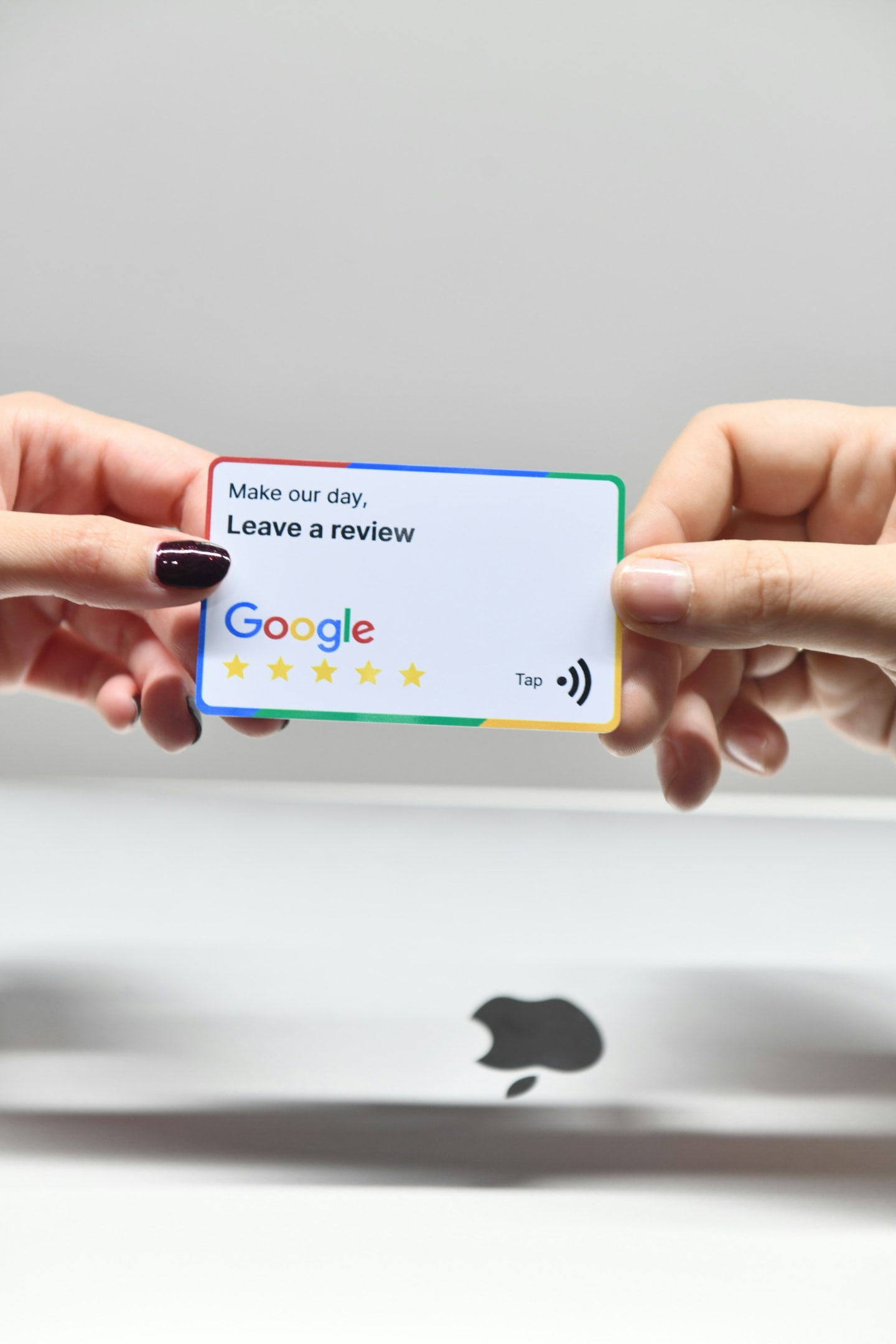
When someone searches for therapy services online, one of the first things they’ll see is your reviews. In fact, for many prospective clients, positive reviews can be the deciding factor between reaching out or continuing their search.
But how do therapists ethically collect and share testimonials?
Start with clear, ethical requests.
While HIPAA prohibits sharing personal health information without consent, it does not prevent satisfied clients from voluntarily leaving public feedback. If a client expresses appreciation for your work, you might gently invite them to leave a review on your Google Business Profile—being clear that it’s entirely optional and confidential.
Why Google reviews matter:
Unlike anonymous feedback forms or internal satisfaction surveys, Google reviews influence your local SEO and search engine results. A few strong ratings can dramatically boost your visibility in a crowded field, helping potential clients feel more confident in your services.
What about negative reviews?
It happens. A client may leave a critical comment or misunderstanding. The key is to respond calmly and professionally without disclosing any personal information. A simple response like, “We’re sorry to hear this was your experience. Please feel free to reach out so we can address it directly,” shows that you care while respecting confidentiality.
How to use testimonials to get more clients:
You can also share anonymized quotes (with written permission) on your website or in marketing materials. A line like, “I felt seen and supported every step of the way” goes a long way in showing how you help.
Need a way to manage it all?
TherapySites offers tools to help you collect, monitor, and highlight reviews—so your online reputation grows along with your practice.
4. Share Helpful, Human Mental Health Content

You don’t need to write a dissertation to reach potential clients. In fact, some of the best marketing for therapists comes from simply answering the questions people are already asking.
Blog posts, FAQs, and social media content that address real-life mental health topics—like how to start therapy, signs of burnout, or what to expect in your first session—can be powerful trust-builders. When you create content that speaks directly to your ideal client, you show that you understand their needs and concerns before they even walk through the door.
Examples that resonate:
- “Why Do I Feel More Anxious Before the School Year Starts?”
- “How to Talk to Your Teen About Therapy”
- “5 Gentle Ways to Navigate Grief During the Holidays”
These topics not only show empathy and relevance, but they also help with SEO. Including phrases your prospective clients are typing into Google—like “grief therapy near me” or “how to start therapy”—can improve your visibility and connect you with a wider audience.
Don’t forget your voice.
Your blog or social media posts don’t need to sound like a textbook. The most efficacious marketing strategies for therapists come from using conversational language and offering clarity, not just credentials. Your warmth, humanity, and ability to communicate clearly are key parts of what make you qualified to help.
Not sure what to write?
TherapySites offers writing support, and even content creation tools so you can stay focused on your clients while your online presence keeps working in the background.
5. Use Email to Stay Top-of-Mind

Marketing for therapists doesn’t have to be flashy to be effective. Sometimes, a gentle, well-timed email is all it takes to remind a past or prospective client that you’re here and ready to help.
Email marketing is one of the most cost-friendly marketing strategies for mental health professionals. Whether you’re sending a monthly newsletter, wellness tips aligned with the season, or appointment reminders, regular email communication keeps your therapy practice visible without overwhelming your audience.
Examples of valuable content:
- “3 Grounding Exercises for Holiday Stress”
- “What to Expect from Couples Therapy”
- “Communication Skills for Difficult Situations”
When crafted with intention, emails can build long-term client relationships and encourage return visits. You can also use email to invite people to book a free consultation, attend local events, or explore new therapy services you’ve added to your practice.
What makes a great therapy newsletter?
- Simple, warm language
- Practical, actionable tips to apply to everyday life
- One or two short paragraphs of value
- A clear call to action: “Schedule a free consult” or “Learn more about anxiety support”
And importantly—consistency beats frequency. You don’t need to email every week. A helpful note once or twice a month is enough to build trust and support your marketing efforts.
TherapySites can help.
With built-in email marketing tools and customizable templates, TherapySites makes it easy to stay in touch with your client list while maintaining your brand voice and professional tone.
6. Make It Easy to Book (Really Easy)

You may offer exactly the kind of support a potential client is searching for, but if your scheduling process is clunky, confusing, or hidden behind multiple clicks, they may never make it through.
An essential part of marketing for therapists is removing friction from the booking process. Whether someone is feeling anxious, overwhelmed, or just unsure, the easier you make it to take the next step, the more likely they are to follow through.
That means:
- A visible “Book Now” button on your homepage
- Online scheduling integrated directly into your website
- Clear availability and response times
- A link to book sessions in your Google Business Profile and social media accounts
Remember, most prospective clients are browsing on mobile. Your site and your booking flow should be just as intuitive on a phone as it is on a desktop.
Bonus points if you offer a brief free consultation, which lowers the barrier to entry and builds trust from the start.
Clients shouldn’t have to hunt for an email address or wait days for a reply. Your website should do the heavy lifting—letting them take that first step toward mental wellness easily and confidently.
TherapySites makes scheduling seamless.
With built-in appointment tools and integrations, you can offer online booking that syncs with your availability—no tech headaches, no extra platforms. Just one more way to help your private practice grow.
7. Don’t Try to Do It All Yourself
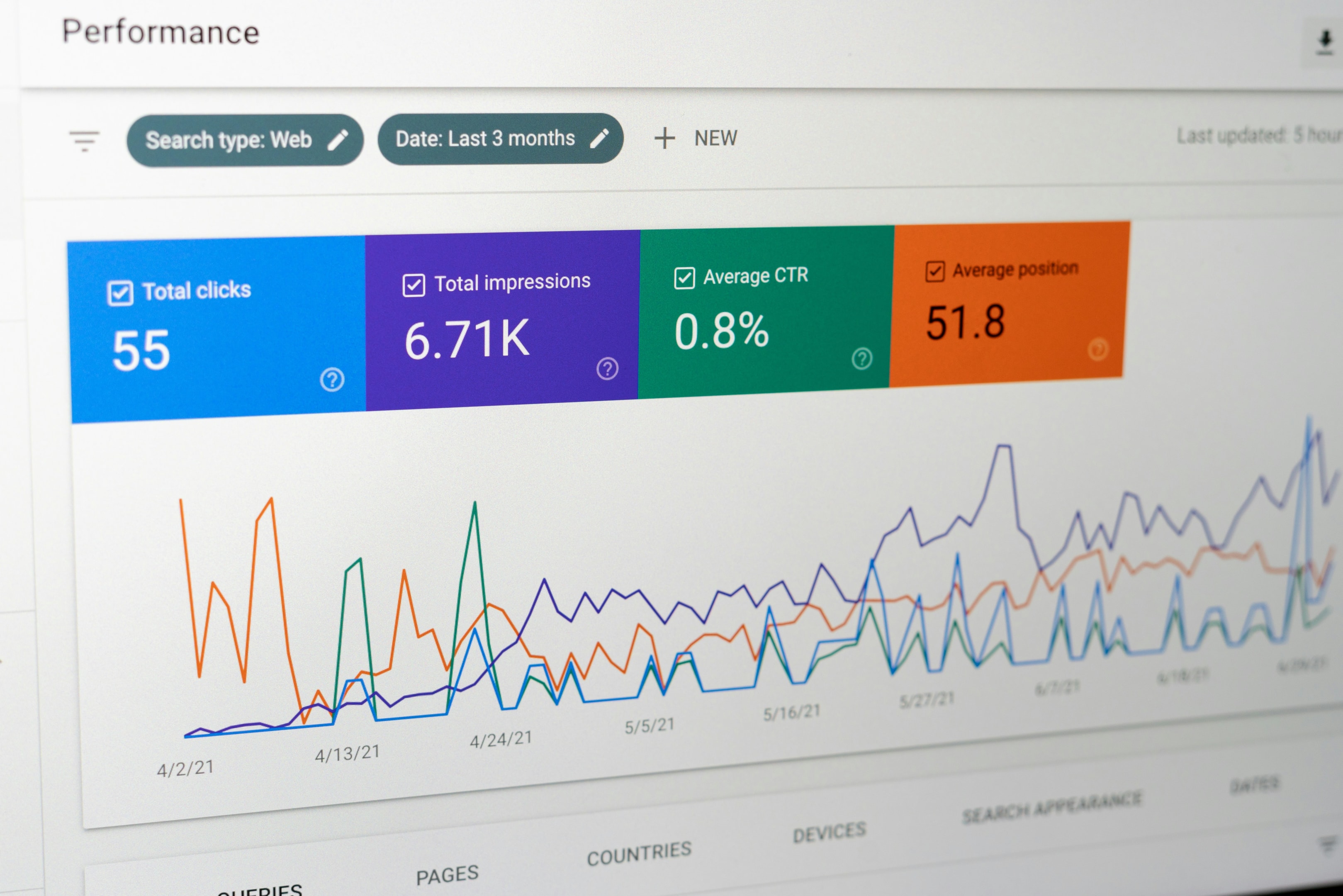
You became a therapist to help people, not to become a content strategist, SEO expert, or social media scheduler. But when you’re running a private practice, the weight of building a business often falls squarely on your shoulders.
You’re a Therapist—Not a Marketer
The truth is, you don’t need to master every digital tool or trend. Effective marketing for therapists is about choosing strategies that match your bandwidth, values, and audience—not doing everything all at once.
Delegate to Grow Without Burnout
Whether it’s managing your website, posting consistently to your social media accounts, or writing blog posts on mental health topics, some of the most effective marketing strategies can and should be outsourced. Just as you refer clients to other professionals when needed, you can bring in help to support your marketing efforts.
Know What’s Worth Outsourcing
Consider hiring help for:
- Search engine optimization (so your therapy services rank well in search engine results)
- Email marketing and newsletters
- Professional design for other marketing materials like brochures or business cards
- Google Ads or paid ads for increased visibility
Smart Marketing for Therapists
TherapySites was created to help mental health professionals grow their practices—without adding stress. Our platform offers integrated solutions like customizable websites, SEO tools, online scheduling, and more.
Parting Thoughts: Focus on Clients, Not Clicks
Marketing That Works With Your Mission
Let’s face it: most mental health professionals didn’t go into private practice dreaming about analytics dashboards, bounce rates, or marketing funnels. You became a therapist to help people—to provide mental health support, build trust, and change lives.
But here’s the truth: marketing your therapy services doesn’t have to feel like a second full-time job. With the right strategy, tools, and mindset, it can feel like an extension of the work you already love doing, connecting with people and creating safe, healing spaces.
Growing a Practice Is About Connection, Not Complexity
Effective marketing for therapists isn’t about chasing trends or constantly posting on every platform. It’s about showing up with clarity, consistency, and compassion so your ideal client can find you, feel safe with you, and take that often-scary first step toward care.
When your website speaks in conversational language, your social media presence feels human and grounded, and your marketing materials reflect your values, your therapy practice becomes a trusted place for those seeking help.
You Don’t Need to Do It All
Whether you’re a solo provider or part of a group practice, you have enough on your plate. Trying to write SEO blogs, set up Google Ads, or manage every one of your social media profiles can quickly lead to burnout.
Instead of spreading yourself thin, focus your energy where it’s most impactful: with your clients. And let experienced professionals help with the rest.
TherapySites: Built for Therapists, Backed by Results
TherapySites offers a complete suite of tools designed specifically for mental health professionals—from beautifully designed, mobile-friendly websites to built-in search engine optimization, email templates, and online scheduling.
Our team understands the nuances of marketing a therapy practice, so you don’t have to start from scratch or navigate it alone.
Whether you’re launching a new practice, refining your digital marketing approach, or just trying to reach more clients in your area, TherapySites can help.
Ready to Grow Your Practice Without Losing Focus?
Every piece of your marketing strategy should support your mission, not distract from it. When you market with clarity and care, you create opportunities—not just for your business, but for the people who need your support.
Let’s grow your practice, increase your visibility, and connect you with the prospective clients who are already out there, searching.
See how TherapySites can help you grow with less stress, more support, and a marketing strategy that’s uniquely qualified to serve therapists.

Dani Romero is a therapy and psychology content provider for mental health professionals. Her pieces strive to demystify the digital marketing landscape for therapists and make it easier for them to reach a wider audience. As a lifelong proponent of therapy and mental health services, Dani finds joy in helping those who dedicate their lives to helping others.

Related Posts
- Understanding the Impact of HIPAA Email on Digital Marketing in Therapy Practices ( June 3, 2025 )
- Unexpected Ways to Impress Clients When Starting a Therapy Practice ( December 12, 2024 )
- 10 Step SEO Checklist for Therapy Practices ( February 28, 2024 )
- Unlock the Full Potential of Your Practice With Digital Marketing ( September 8, 2023 )
- How to Utilize Social Media to Grow Your Therapy Practice ( May 15, 2023 )
About the Author

Recent Posts
- A Comprehensive Guide to Social Media Marketing for Therapists
- Google Business Profile: Understanding Google My Business for Therapy Practices
- AI for Therapy Practices: How To Rank in AI Search Results
- A Therapist’s Guide to Using Mental Health Hashtags in Social Media Marketing
- Therapist Facebook Ads: A Guide to Reaching New Clients
- What Is Teletherapy: Definition, Benefits, & Use Cases
- 7 Effective Marketing Strategies for Your Therapy Practice
- Why Marketing for Therapists Matters
- Understanding the Impact of HIPAA Email on Digital Marketing in Therapy Practices
- Using Google Ads in Marketing Your Therapy Practice and Facebook Ads